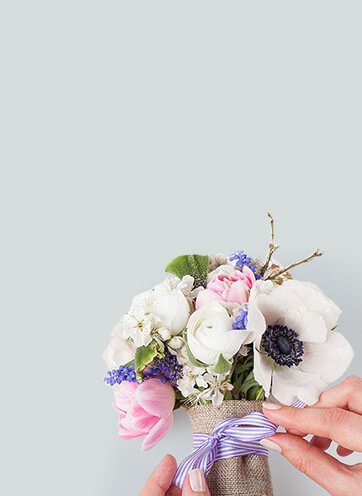
Wedding flowers Dulwich Village real cost breakdown
Posted on 02/10/2026
If you are planning a wedding in Dulwich Village, flowers can be one of the most beautiful parts of the day - and one of the easiest places to overspend without realising it. The Wedding flowers Dulwich Village real cost breakdown is worth understanding early, because the final figure is rarely just about bouquets. It usually includes design time, flower choice, seasonality, setup, delivery, labour, and the little extras that quietly push a quote up. Let's make that clear, practical, and actually useful.
This guide walks through what you are really paying for, how wedding flower pricing tends to work in Dulwich Village and the wider South East London area, what affects cost, and how to budget sensibly without losing the look you want. If you are trying to decide between a simple intimate arrangement and a more layered ceremony-and-reception floral plan, you will find the numbers easier to understand by the end. Honestly, that alone can save a bit of stress.
One quick note: wedding flower pricing can vary a lot. So rather than pretending there is a single "right" price, this article gives realistic cost components and common budget scenarios you can use when comparing options.
- Why it matters
- How the cost breakdown works
- Key benefits and practical advantages
- Who this is for and when it makes sense
- Step-by-step guidance
- Expert tips for better results
- Common mistakes to avoid
- Tools, resources and recommendations
- Law, compliance, standards, or best practice
- Options, methods, or comparison table
- Case study or real-world example
- Practical checklist
- Conclusion
- Frequently asked questions
Why Wedding flowers Dulwich Village real cost breakdown Matters
Wedding flowers are not just decoration. They shape the mood of the ceremony, photograph beautifully, guide the colour palette, and often become one of the most memorable visual elements of the day. In Dulwich Village, where many couples are planning elegant, personal celebrations with a London feel that is still warm and village-like, the floral budget needs to match both the venue and the rest of the plan.
The problem is that flower pricing can feel opaque. You may see a bouquet price online and assume the whole wedding will scale from that. It usually does not. A bridal bouquet is only one piece. Add bridesmaid bouquets, buttonholes, ceremony flowers, table flowers, possibly a registrar table design, and delivery or set-up, and the total starts behaving very differently. That is why a true cost breakdown matters.
It also matters because flowers are often one of the first areas where couples want "more" once the planning starts. More roses, more candles, more centrepieces, more of that soft trailing look you pinned at midnight. The cost breakdown helps you decide where it is worth spending and where it is fine to simplify.
Expert summary: The smartest wedding flower budgets are not the biggest budgets. They are the ones with a clear priority order: key moments first, decorative extras second, and nice-to-have details only if the numbers still make sense.
In practical terms, knowing the cost structure also helps you compare quotes fairly. Two florists may quote very different totals, but if one includes installation, vase hire, travel, and venue set-up while the other does not, you are not comparing like for like. That is where couples get caught out. To be fair, it happens all the time.
How Wedding flowers Dulwich Village real cost breakdown Works
A wedding flower quote is usually built from several layers. Think of it less like buying a bunch of flowers and more like commissioning a small design project. The florist is pricing materials, design time, sourcing, mechanics, delivery, and often a few hours of on-the-day work too.
Here is the basic structure most couples will see:
- Flowers themselves - the actual stems, greenery, and seasonal blooms.
- Design and preparation - time spent planning, conditioning flowers, wiring, binding, and assembling arrangements.
- Venue logistics - travel, parking, loading access, timed delivery, and set-up.
- Hire items - vases, stands, lanterns, arches, urns, ribbon, or reusable mechanics.
- Styling labour - placing arrangements in the right positions and making sure everything looks right on the day.
- Breakdown or collection - if included, this is often charged separately.
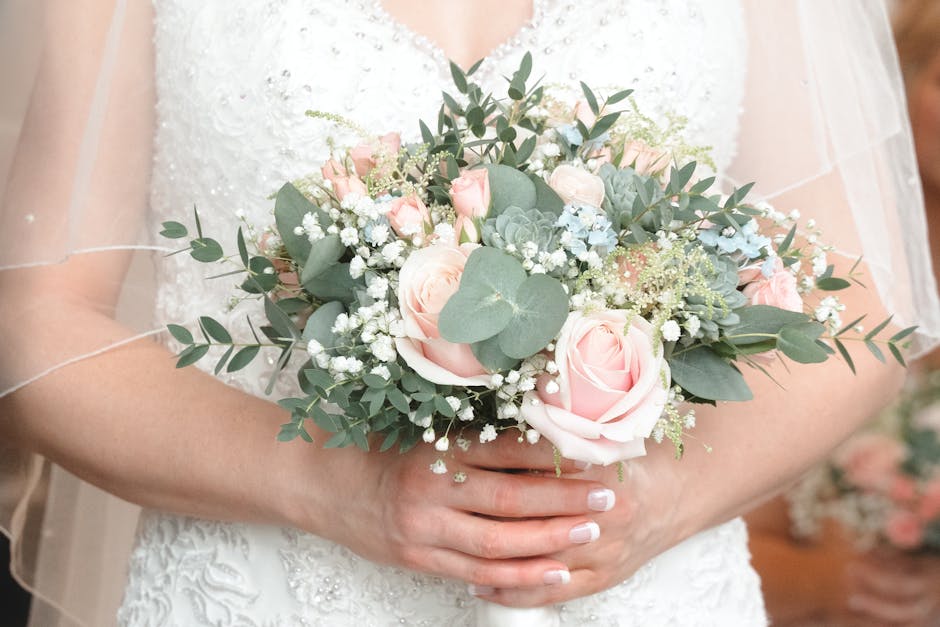
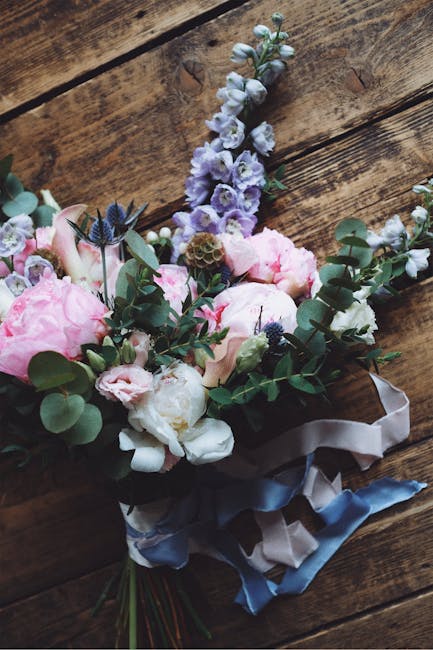
Flower choice matters hugely. A bride bouquet made with garden roses, ranunculus, and peonies will usually cost more than one made with seasonal mixed blooms and foliage. Not because one is "better," but because some flowers are simply more expensive, more delicate, or harder to source in the right quantity.
Timing matters too. Peak wedding season, especially spring and summer Saturdays, often puts more pressure on florist diaries and supply chains. Short notice bookings can be possible, but they may limit your flower choices. On the other hand, a well-planned booking gives everyone a bit more breathing room. And yes, that helps the budget.
In Dulwich Village, another practical factor is venue type. A ceremony in a church, a private dining room, a marquee, or a smaller intimate venue each creates different floral needs. Some spaces already look beautiful and need only a few key arrangements. Others need a lot more styling to make the room feel finished. That changes the cost more than people expect.
Key Benefits and Practical Advantages
Understanding the real cost breakdown gives you more than just numbers. It gives you control. And that is usually what couples want most when they start planning in earnest.
- Better budgeting: You can set a sensible overall flower spend before falling in love with expensive extras.
- Cleaner comparisons: You can tell whether one quote includes venue install, hire items, and delivery while another does not.
- Less waste: You can prioritise the arrangements guests will actually notice, rather than over-investing in everything equally.
- More confidence: You will know what to ask for and what a realistic package looks like.
- Better design decisions: You can swap flowers, simplify mechanics, or adjust size without ruining the overall look.
There is also a styling advantage. Once you know the cost drivers, you can design a look that suits the venue instead of forcing the venue to carry expensive decoration it may not need. For example, a room with strong natural character may only need a few statement pieces and some well-placed table arrangements. That can feel more elegant than trying to cover every surface.
And here is something couples often notice late in the process: the best flower budgets usually leave a little room for flexibility. If the florist finds a seasonal stem that looks stunning and suits the palette, you can say yes without having to tear up the plan. Not always possible, of course, but nice when it is.
Who This Is For and When It Makes Sense
This guide is for anyone planning a wedding in or around Dulwich Village who wants a realistic view of flower pricing before making decisions. That includes couples on a modest budget, couples planning a more decorative celebration, and anyone comparing florist quotes for the first time.
It makes particular sense if you are:
- trying to estimate a total wedding budget and need flowers to stop being a mystery line item;
- planning a ceremony-only order and want to understand the cost of just the essentials;
- choosing between a simple bouquet-led look and a fuller venue-floral package;
- shopping around and need a fair way to compare different florists;
- booked to marry at a local church, registry-style setting, or reception venue and want the flowers to suit the space.
If you are early in planning, the guide helps you set a floor and ceiling for spend. If you are later on, it helps you sanity-check quotes. And if you are in that awkward middle stage where the Pinterest board is ahead of the budget, well, welcome. You are not alone there.
Truth be told, this is also useful for families helping to fund the day. A real cost breakdown makes those conversations less vague and much easier. Nobody likes talking in guesswork when money is involved.
Step-by-Step Guidance
Here is a sensible way to approach wedding flower costs in Dulwich Village without getting overwhelmed.
- List the essentials first. Start with bridal bouquet, bridesmaid bouquets, buttonholes, ceremony flowers, and table arrangements. Do not add extras yet.
- Decide where flowers will have the biggest visual impact. Usually that is the aisle, altar or ceremony focal point, the top table, and the bridal party flowers.
- Choose a realistic style. Loose garden-style arrangements, compact modern designs, and lush luxury arrangements all have different labour and stem requirements.
- Ask what is included in the quote. Delivery? Set-up? Collection? Vases? Mechanics? Ribbon? It all counts.
- Check seasonality. If your preferred flowers are out of season, budget for substitutes or higher sourcing costs.
- Ask for two versions of the quote. One "ideal" version and one "budget-aware" version. This is often the fastest way to see what matters most.
- Review the final quantities. A small change in table count or bridal party size can alter the total more than you might think.
- Confirm timings and access. In London, traffic, parking, and narrow access routes can affect labour time, especially on a busy weekend.
If you want a simple rule of thumb, this is a decent one: spend first on the flowers people will see in photographs and while they are standing still. That usually means the bouquet, ceremony focal area, and reception tables. The passing extras can wait if the budget gets tight.
Another practical point: if your venue already has visual character - exposed brick, soft daylight, a garden view, or lovely architecture - you may need less floral volume than you think. Sometimes the room is doing half the work for you. Nice problem to have, really.
Expert Tips for Better Results
After years of seeing flower budgets stretched, trimmed, and occasionally rescued at the last minute, a few patterns keep showing up.
- Prioritise the bouquet and ceremony first. Guests remember the ceremony setup and the couple's flowers most clearly.
- Use fewer flower varieties when budgeting tightly. Simpler recipes can look elegant and often reduce sourcing complexity.
- Mix blooms with foliage. Greenery can make arrangements feel fuller without multiplying stem costs too aggressively.
- Repurpose arrangements. Ceremony flowers can often move to the reception space, if the venue and timeline allow it.
- Be open on colour, not just species. If you insist on one exact flower, the florist has less room to manage price and availability.
- Ask about flower substitutions in advance. This is standard good practice. Weather and supply can change what is viable.
One small but important tip: ask for the quote to be broken down by item, not just as a single lump sum. You can then see where the money is going and make cuts in the least painful places. This is especially useful if you are working with a fixed overall budget and have no wish to have a last-minute wobble over centrepieces.
Also, be sensible about set-up time. A florist can do wonders, but if the venue only offers a very tight delivery window, labour can get more expensive because everything has to happen quickly. That is not always obvious when you first compare prices, and it catches people out.
Common Mistakes to Avoid
Wedding flower budgets tend to go wrong in predictable ways. The good news is that they are avoidable once you know what to watch for.
- Comparing quotes without checking what is included. A lower quote may be missing delivery, setup, or hire items.
- Choosing expensive flowers for every arrangement. You do not need premium blooms everywhere for the design to feel special.
- Forgetting about labour and logistics. A beautiful design still needs packing, transporting, and installing.
- Over-ordering table arrangements. A few well-placed pieces often look better than too many small ones.
- Leaving bookings too late. The later you leave it, the narrower your options may be.
- Not checking venue restrictions. Some places have rules around candles, hanging installations, or access times.
There is also a subtle mistake people make: they aim for "full" in every area, even where the room does not need it. That can make the design feel busy rather than elegant. Sometimes the strongest look is a bit more restrained. Breathable, even. Like the room can actually exhale.
Another issue is assuming flowers will photograph the same way they look in daylight. Flash, window light, and evening ambience all change the feel. If your wedding runs from afternoon into early evening, ask your florist how the arrangements will hold up as the light shifts. It's a small question, but a useful one.
Tools, Resources and Recommendations
You do not need a complex system to plan wedding flowers well, but a few simple tools help a lot.
- A guest-and-table count sheet: This helps you calculate how many bouquets, buttonholes, and centrepieces you actually need.
- A mood board: Collect colour, shape, and texture references so the florist can see the style you mean, not just the flower names you like.
- A budget split: Divide your floral budget into ceremony, bridal party, and reception categories before requesting quotes.
- A venue plan: Mark where arrangements will sit. It helps avoid over-ordering and makes set-up smoother.
- A timeline: Note delivery time, ceremony time, photography time, and any room turnaround.
If you are shopping locally, it helps to browse a florist's wedding pages and product categories to see whether their style suits yours. For example, our wedding collection and bridal bouquets give a sense of how a floral theme can be carried through the day. If you want a broader look at what is available across the area, the main wedding flowers Dulwich SE21 page is also a useful starting point.
For smaller add-ons such as buttonholes and bridesmaid pieces, having the product pages open side by side can save time. It sounds simple, but when you are comparing several options, it is easy to lose track. Been there, and it gets messy fast.
Law, Compliance, Standards, or Best Practice
Wedding flowers are not a heavily regulated purchase in the way some services are, but there are still sensible standards and practical expectations worth keeping in mind. In the UK, florists generally work to normal consumer best practice: clear pricing, clear descriptions, agreed delivery terms, and fair handling of substitutions or cancellations.
From a customer point of view, the most important things are straightforward:
- Ask for written confirmation of what is included in the quote.
- Check cancellation and amendment terms before paying a deposit.
- Confirm any delivery access details for the venue, including parking and load-in instructions.
- Ask how substitutions are handled if a certain bloom is unavailable.
- Keep your final plan in writing so both sides are clear.
If flowers are being installed in a venue, especially if there are stands, arches, or larger display pieces, best practice is to make sure everything is stable, safe, and compatible with the venue's rules. That sounds obvious, but wedding days can move quickly and nobody wants a wobbly installation ruining a calm morning.
For flower care, there are also practical norms. Arrangements should be kept cool when possible, hydrated appropriately, and delivered with enough time to settle before the ceremony. Florists usually know how to manage this, but it is still worth asking the question if you are juggling a tight schedule.
Options, Methods, or Comparison Table
Here is a simple comparison of common wedding flower approaches and how they affect cost, flexibility, and visual impact.
| Option | Typical cost pressure | Best for | Trade-off |
|---|---|---|---|
| Essential-only package | Lower | Small ceremonies, tight budgets, registry-style weddings | Less room for elaborate styling |
| Classic package | Moderate | Most couples wanting bouquet, ceremony flowers, and reception tables | Needs careful prioritising |
| Statement package | Higher | Big visual impact, photography-led styling, larger venues | Higher labour and material cost |
| Luxury bespoke package | Highest | Highly tailored design, premium blooms, immersive venue styling | Less budget flexibility |
A helpful way to think about it is this: if you want the flowers to be a feature, not just an accent, you will need more budget for scale, labour, and likely more expensive stems. If you just want the space to feel polished and romantic, a smaller number of thoughtfully placed arrangements can do the job very nicely.
For a quick price mindset, it can help to browse different product ranges too. A florist's luxury flowers category will usually give you a feel for the upper end, while a more economical range such as cheap flowers in Dulwich SE21 can help set expectations at the lower end. Not identical to wedding pricing, of course, but still useful context.
Case Study or Real-World Example
Imagine a couple planning a Saturday wedding in Dulwich Village with around 60 guests. They want a ceremony bouquet, two bridesmaid bouquets, six buttonholes, modest ceremony flowers, and table arrangements for the reception.
At first, they assume the bouquet will be the major cost and everything else will just add a little on top. Once the florist breaks it down, the picture changes. The bouquet is important, yes, but the real jump in price comes from the ceremony focal piece, the number of table arrangements, and the time needed to deliver, place, and tidy everything.
They then decide to do three things:
- reduce the number of table arrangements by using a few slightly fuller designs instead of many small ones;
- choose one premium flower type as the feature bloom and use seasonal supporting flowers around it;
- move the ceremony display to the reception after the vows, so it works twice as hard.
The result is a floral plan that still feels polished and personal, but with a more controlled spend. That is the sweet spot for many weddings, really. Not bare, not overdone. Just well judged.
And this is where a real cost breakdown becomes more than a budget exercise. It gives you design choices. You stop asking, "How much do flowers cost?" and start asking, "Where should the flowers have the biggest impact?" That is a much better question.
Practical Checklist
Use this checklist before confirming your wedding flowers:
- Have I listed every floral item I actually need?
- Do I know which arrangements are essential and which are optional?
- Have I checked what the quote includes, item by item?
- Do I know whether delivery, installation, and collection are extra?
- Have I chosen a realistic flower style for the season?
- Have I given the florist my venue details and timing?
- Do I know how substitutions will be handled if needed?
- Have I asked whether arrangements can be repurposed between ceremony and reception?
- Have I compared at least two versions of the plan: ideal and budget-aware?
- Have I confirmed the final plan in writing?
One more little check, because it really does matter: if a quote feels vague, ask for clarification before paying anything. A good florist will not mind. In fact, it usually helps everyone.
Get a free quote today and see how much you can save.
Conclusion
The real cost of wedding flowers in Dulwich Village depends on much more than stem counts. It is shaped by design time, seasonality, delivery, venue access, installation, and the level of detail you want on the day. Once you understand those parts, budgeting becomes less guessy and a lot more manageable.
If you remember only one thing, make it this: spend where the flowers will shape the room, the photographs, and the feeling of the day, then trim where the guest experience will not suffer. That usually gets you the most beauty for the money. And honestly, that is the whole game.
Whether you are planning a simple local celebration or a more layered floral story, the right budget is the one that fits your priorities and lets you relax a little. That matters more than chasing a perfect number. A calm wedding morning is worth a lot, and flowers should support that, not complicate it.
Frequently Asked Questions
How much do wedding flowers usually cost in Dulwich Village?
The total can vary a lot depending on the number of arrangements, flower types, and whether you need delivery and set-up. A small, simple order will cost far less than a full venue design. The best way to estimate accurately is to list the exact items you need and ask for a fully itemised quote.
What is included in a wedding flower quote?
It often includes the flowers, design work, preparation, delivery, installation, and sometimes collection afterwards. Some quotes also include vase hire, ribbon, or reusable mechanics. Always check the breakdown so you are comparing like for like.
Why are wedding flowers more expensive than regular bouquets?
Wedding flowers usually involve more planning, more labour, timed delivery, and greater responsibility on the day. They may also require specific colour matching, larger quantities, and extra setup work. It is not just the flowers themselves you are paying for.
How can I reduce my wedding flower budget without losing the look?
Focus on the highest-impact areas first, choose seasonal flowers, reduce the number of varieties, and repurpose ceremony arrangements for the reception where possible. You can also simplify table centrepieces and keep the bouquet as the main statement piece.
Are seasonal flowers cheaper for weddings?
Usually, yes. Seasonal flowers are generally easier to source and often look fresher and more natural in the arrangement. That said, some seasonal blooms can still be premium flowers, so it is not a blanket rule. Your florist can tell you what is realistic for your date.
Do I need flowers for both the ceremony and reception?
Not always. Some couples only want flowers for the bouquet and ceremony, while others want a fuller reception display. If your venue already has a lot of visual character, you may not need much more than a few key arrangements.
What wedding flowers should I prioritise first?
Most couples start with the bridal bouquet, bridesmaid bouquets, buttonholes, and the ceremony focal piece. After that, table flowers and decorative extras can be added according to budget. The bouquet and ceremony area are often the most photographed, so they are a smart place to begin.
How far in advance should I book wedding flowers?
The earlier the better, especially for busy spring and summer dates. Booking early gives you more choice over flower varieties and florist availability. If you leave it late, you may still get beautiful results, but the options can narrow.
Can I use the same flowers at the ceremony and reception?
Yes, often you can. Many couples move ceremony arrangements to the reception once the vows are over. It is a practical way to stretch the budget, but it depends on the timeline and venue access, so ask the florist how it would work.
Do florists charge extra for delivery and set-up?
Often they do, especially if the venue requires timed delivery, difficult access, or on-site installation. Some florists include these costs in a package, while others list them separately. Always confirm before you finalise the booking.
What if a flower I want is not in season?
A florist may suggest a substitute that gives a similar look or colour. Sometimes this is the best way to keep the design beautiful while controlling cost. If a specific flower matters deeply to you, ask about it early so you know whether it is realistic.
Is it better to choose a package or a custom wedding flower plan?
A package can be useful if you want clarity and simplicity, while a custom plan is better if your venue, style, or guest count needs a more tailored approach. The right choice depends on how specific your vision is and how much control you want over the details.
How do I compare two florist quotes properly?
Compare the item list, stem choices, labour, delivery, installation, and any hire items. Look at what is included, not just the final number. If one quote is lower, check whether it has fewer flowers, simpler mechanics, or fewer service hours built in.
Can wedding flowers be reused after the event?
Yes, some arrangements can be repurposed as gifts, moved to another room, or taken home by family and guests. Smaller bouquets and table designs often travel more easily than larger installations. Ask your florist how to design for reuse from the start.